

When a Story Comes to Life
What happens when students take a great work of literature off the page and bring it to life?
What does despair look like? What would temptation look like if you could walk through it? How might you represent the danger of worldly wisdom, the weight of discouragement, or the perseverance required to keep moving toward hope?
For our eighth-grade students, these were questions they have had to grapple with in Mrs. Johnson’s literature class.
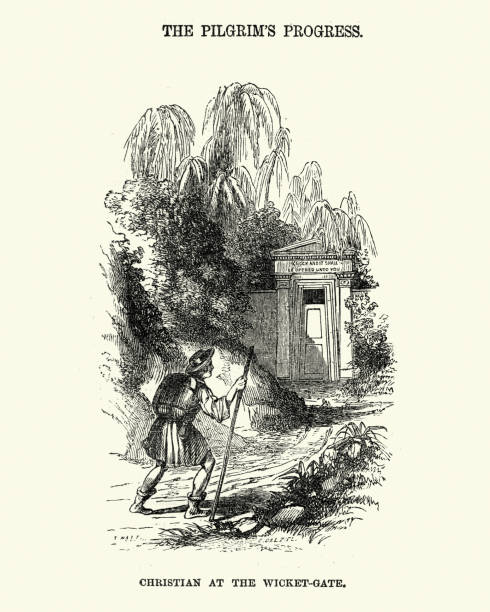
Over the summer, our eighth grade students read The Pilgrim’s Progress by John Bunyan, the 17th-century classic that has helped generations of readers consider the challenges of the Christian journey. Bunyan takes abstract ideas- temptation, spiritual warfare, worldly wisdom, discouragement, perseverance. and gives them form. The main character, Christian, encounters these struggles as characters, places, and circumstances on his journey toward the Celestial City.
When Abstract Ideas Become Concrete
One of the challenges of analyzing a text is that some of its most important ideas cannot be easily seen. What does spiritual apathy look like? What does temptation look like? What does it look like to be distracted by worldly wisdom? What does discouragement look like when you’re trying to persevere?
The allegorical nature of The Pilgrim’s Progress gives readers a way to see these ideas. It brings to life for our students the many facets of the human experience and the Christian life. During the first few weeks of school, students discussed and analyzed Bunyan’s use of allegory. They studied how an author can take something difficult to see and make it visible through story, and then they were asked to do the same thing.
Each student chose a location from The Pilgrim’s Progress that they found particularly compelling or meaningful. They studied the details and significance of the location and scene, and then constructed a 3D model to bring it to life. They took it a step further by writing an essay explaining their choices and construction process, and presenting their finished work to the class. The finished projects were overflowing with detail and creativity, but the real value of the project goes much deeper than the finished product.
An abstract idea becomes visible, and a familiar story suddenly gains depth. Something a student may have initially struggled to understand begins to make sense because they had to wrestle with it, imagine it, and give it form through their project. A project that might initially look like “building a model” becomes an exercise in interpretation. Students aren’t just remembering what happened in the story. They are asking why it happened and what it means, and that is where the learning becomes especially rewarding.
More Than a Model
The project also brings together several different forms of learning. Students begin by analyzing the text. They must understand their chosen section of the book and recognize the significance of the location within Christian’s journey.
They think critically, considering what Bunyan communicates through allegory and symbolism. They create, using a variety of materials to represent their understanding of the text. They write, explaining the components of their model, describing their construction process, and articulating why the location was meaningful to them. Finally, they communicate, presenting their work and explaining their thinking to their classmates.
The project is creative, but it is also rigorous because creativity is not separate from academic learning.
When Creativity Serves Learning
At GCA, we believe beauty and the arts have value, and that conviction reaches into every classroom. Not every student expresses their understanding in the same way. Some students may find literary analysis challenging while possessing remarkable gifts in art, design, or visual communication. A project like this allows students to explore those gifts in service of their learning, and the individuality of the projects is part of what makes them so compelling.
Each student sees the story a little differently. Each makes different choices about what to emphasize, what to include, and how to communicate the meaning of a particular place. Those choices often reveal just how carefully students have considered the text. Creativity isn’t an addition to learning, but evidence of it.
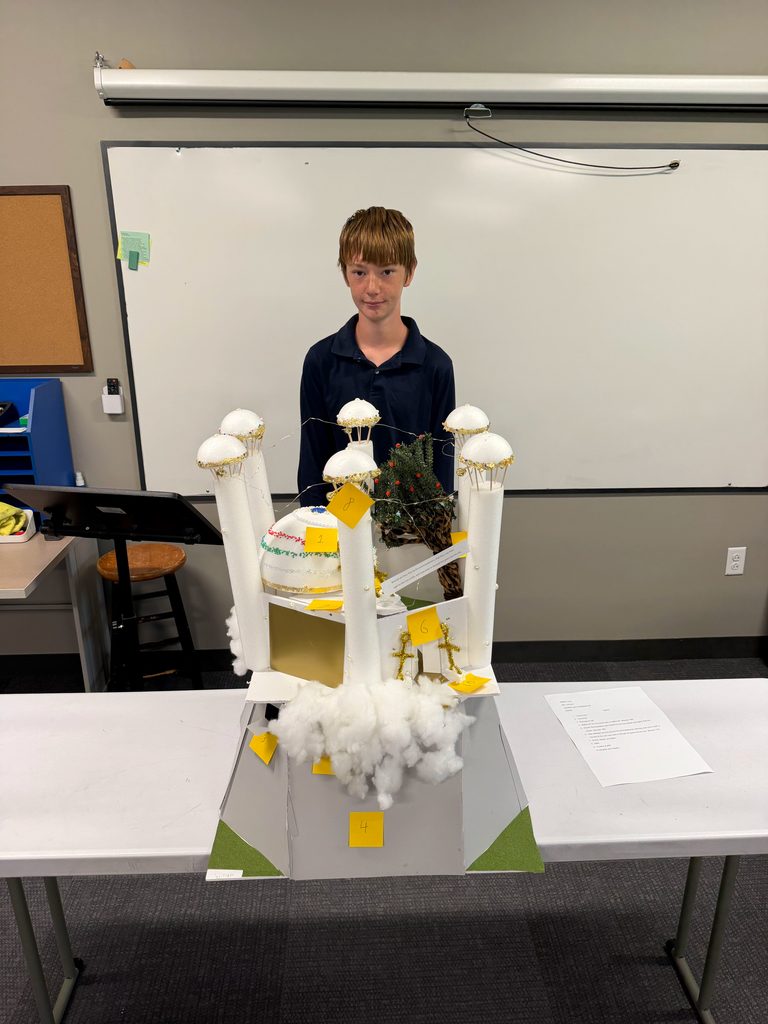
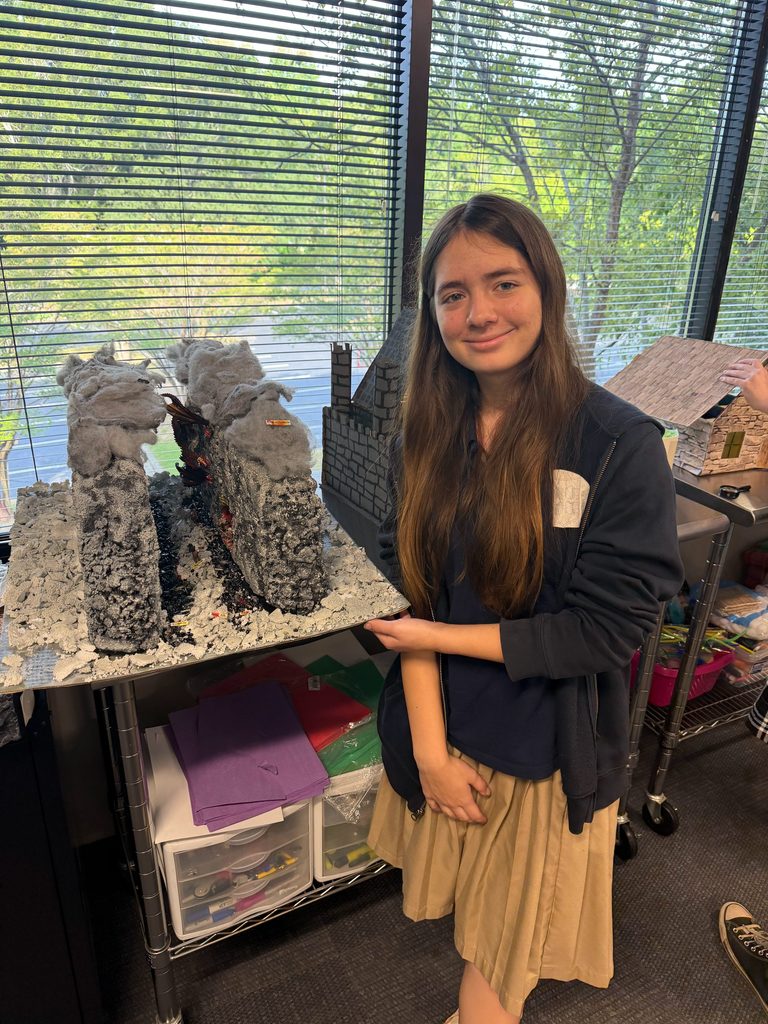
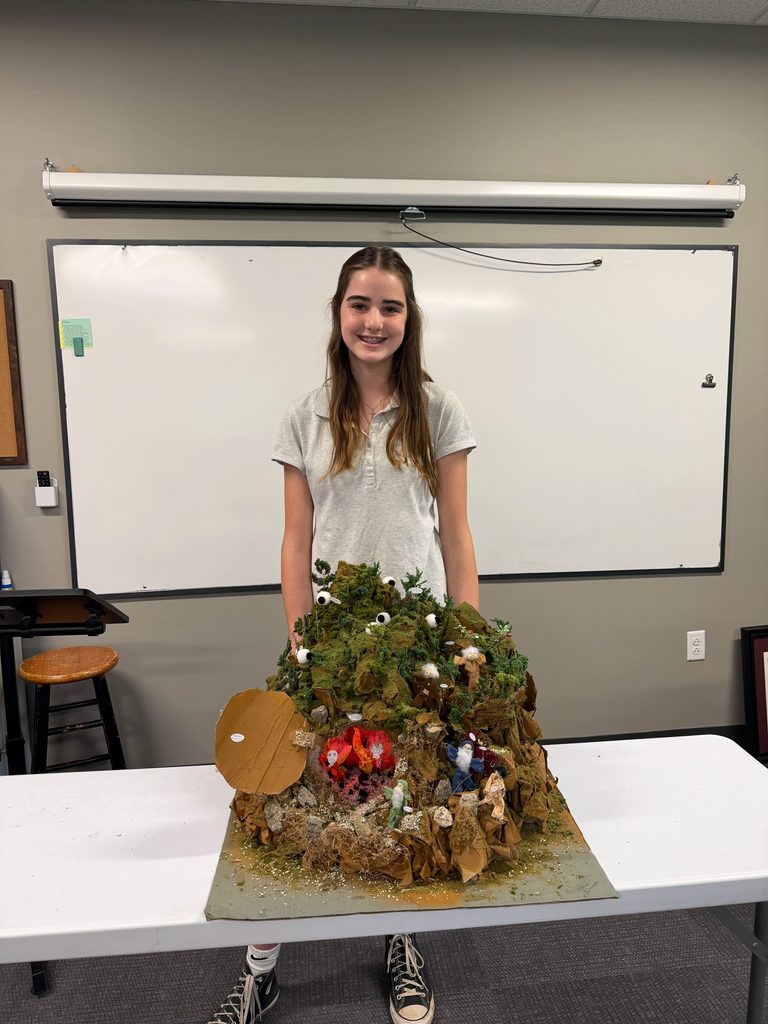
A Classical Education in Practice
This is one of the things we love about classical Christian education. We don’t want students to accumulate information. We want them to learn how to encounter ideas, wrestle with them, recognize what is true and good, and communicate what they have come to understand.
A great work of literature, such as The Pilgrim’s Progress, allows students to do exactly that. They read, ask questions, reason, imagine, create, write, and present. Through the process, they begin to see how the ideas they encounter in a book connect to the world around them and to their own lives.
In The Pilgrim’s Progress, Bunyan uses a fictional journey to explore very real struggles of the Christian life. Our students, in turn, are learning to look beneath the surface of a story and consider the truths it communicates, going beyond literary analysis and gaining a glimpse into learning in the real world.
The Purpose Behind the Project
A 3D model of a location from The Pilgrim’s Progress may seem like a small thing, but look closer, and you see something much richer. You see students wrestling with questions of faith, such as temptation, discouragement, spiritual apathy, and perseverance.
You see creativity being used to express an idea: students writing, presenting, defending their choices, and learning to articulate what they believe a text is saying. Most importantly, you see moments when something once abstract becomes more real. This is the kind of learning we seek to cultivate at Greenville Classical Academy.
Learning that engages the mind, cultivates creativity, recognizes truth, goodness, and beauty, and points beyond the book to the world that God made. Because sometimes, the best way to understand an idea, our world, and our place in it is to bring it to life.